BIO-BASED ECONOMY
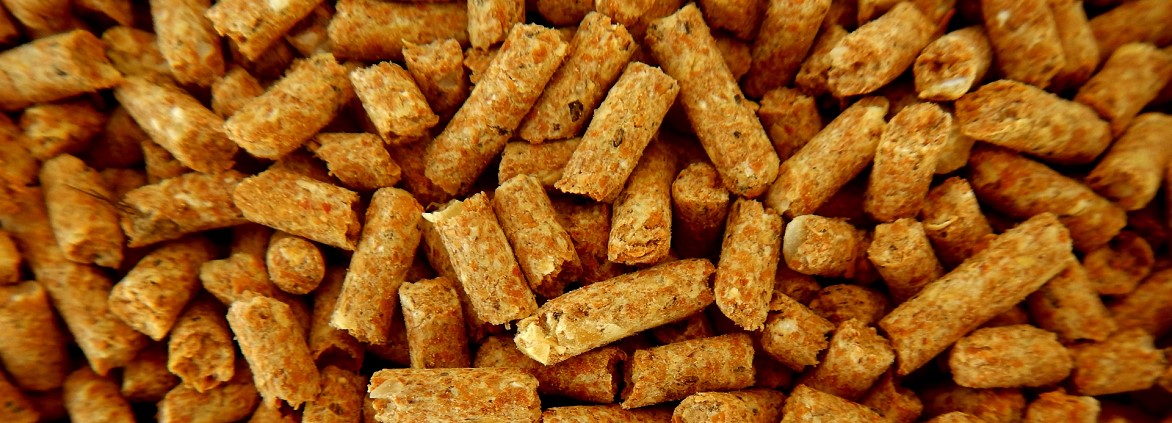
Biomass pellets and heaters from agricultural waste for poultry farms
Market
Final Products | Biomass pellets[cite: 7] |
Required Inputs | Palm fronds, mixed wood dust and waste from industries and mixed agricultural waste[cite: 7] |
Competing Products | Low competition |
Potential for Export | High[cite: 7] |
Process
Complexity – Type of Process | Medium – mechanical process[cite: 7] |
Technology | Crushing, grinding, and pelleting[cite: 7] |
Equipment and Material | Crusher, grinder, and a briquetting machine[cite: 7] |
Human Resources | Technicians, machines operators, and drivers[cite: 7] |
Business Linkage
Forward Linkage | Poultry farms[cite: 7] |
Local/Regional/Nationwide | Local Market- Nationwide[cite: 7] |
Backward Linkage | Agriculture and wood waste contractors[cite: 7] |
Supporting Entities | Equipment suppliers and testing facilities[cite: 7] |
Competitive Edge | Higher energy security (less price volatility compared to butane) and better hygiene/safety compared to fossil fuels[cite: 7] |
Economic Features
Revenue Stream | Sales of biomass pellets[cite: 7] |
CAPEX | Consists of the cost of machinery ranging from 6.6M EGP[cite: 7] |
Investment Size | Medium (between 5-50M EGP) |
Considerations
Key Challenge | Farmers’ commitment to sell their agricultural waste, cash flow management, limited access of recyclers to industrial waste for supply, and absence of designated recycling areas[cite: 7] |
Advantages | Avoids shortage and increasing prices of butane tanks[cite: 7] |
Potential Pathways to Growth | Biomass pellets with higher calorific value by using an enhanced mix of inputs. Selling full/turnkey efficient poultry farm management solutions (including ventilation, bedding/slatted flooring, automation, veterinary services, feeder systems, etc.)[cite: 7] |
General Impact
Environmental | Eco-friendly use of agricultural waste and lower CO2 emissions than fossil fuel or open burning of waste[cite: 7] |
Social | Increases return on agricultural products and create jobs for unskilled labor[cite: 7] |
Impact on Sub-market(s), Cluster(s) and Value Chain(s)
Relevant sub-market | Renewable energy solutions[cite: 7] |
Lies within the following | Agricultural waste[cite: 7] |
Impact | Fills the gap in energy source accessibility for poultry farms and ensures energy sustainability[cite: 7] |
Studies
| Serial | File name | Download |
|---|---|---|
| 1 | UNIDO IGGE_VC Cluster Competitiveness & BOM |