ECO TOURISM
Eco-Tourism
Market
| Targeted market | Tourists preferring eco and nature tourism in natural protectorate, beaches and other nature destinations. |
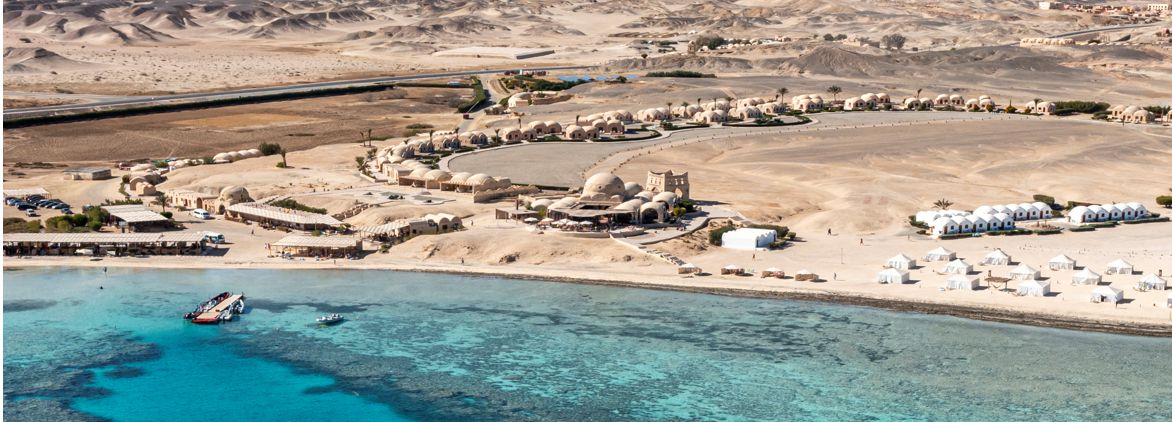
| Project description | This includes various possible projects focusing on Eco-lodges, Camps, and Restaurants/Cafes in national protected areas. A sample case is Abu Galum Blue Hole protectorate where a plan to establish an eco-lodge is designed. |
| Competitive edge |
Serving a rapidly growing market. The Eco-lodge provides faster payback than all other forms of tourism and consumes 75% less of resources than mass tourism. |
| Market features | If only 1 million visitors participate in ecotourism activities in Egypt, they will generate approx. USD 5.2 billion/year of businesses with a 1.6% predicted growth in GDP |
Financial Features
| CAPEX | 60 million EGP |
| OPEX | 18 million EGP |
| Payback | 1 year |
| Typical payback of Ecolodges versus other types of tourism |  |
Other Opportunities
| Eco-lodges | CAPEX EGP 30 – 45 million/project --> Payback 2 years |
| Camps | EGP 9 million/project --> Payback 2-3 years |
| Restaurants/Cafes | EGP 5 million/project --> Payback 3-4 years |
| Total potential | Total possible investments of 990 million EGP |
Impacts
| Environmental impact | Eco-tourism produces more revenues and better payback than other forms of tourism. It also produces less waste, emissions and uses less energy than other forms of tourism per tourist. At least 75% reduction takes place as shown below. |
| Waste generation comparison kg/tourism/day | 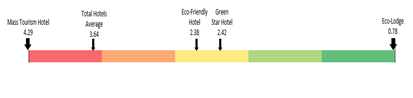 |
| Energy consumption per tourist per day in kWh |  |
| Social impact | Create local jobs and business opportunities for neighboring communities. |
Studies
| Serial | File name | Download |